

What Makes a Home Feel Alive
The quite case for bringing nature inside.
There’s a certain stillness you feel when you walk into a space that has been thoughtfully designed.
Not styled. Not filled. Designed.
The air feels lighter. The room feels settled. There’s a sense that everything is exactly where it should be and something organic, even the most considered space can feel incomplete. Almost too controlled.
It presents beautifully and yet something is missing.
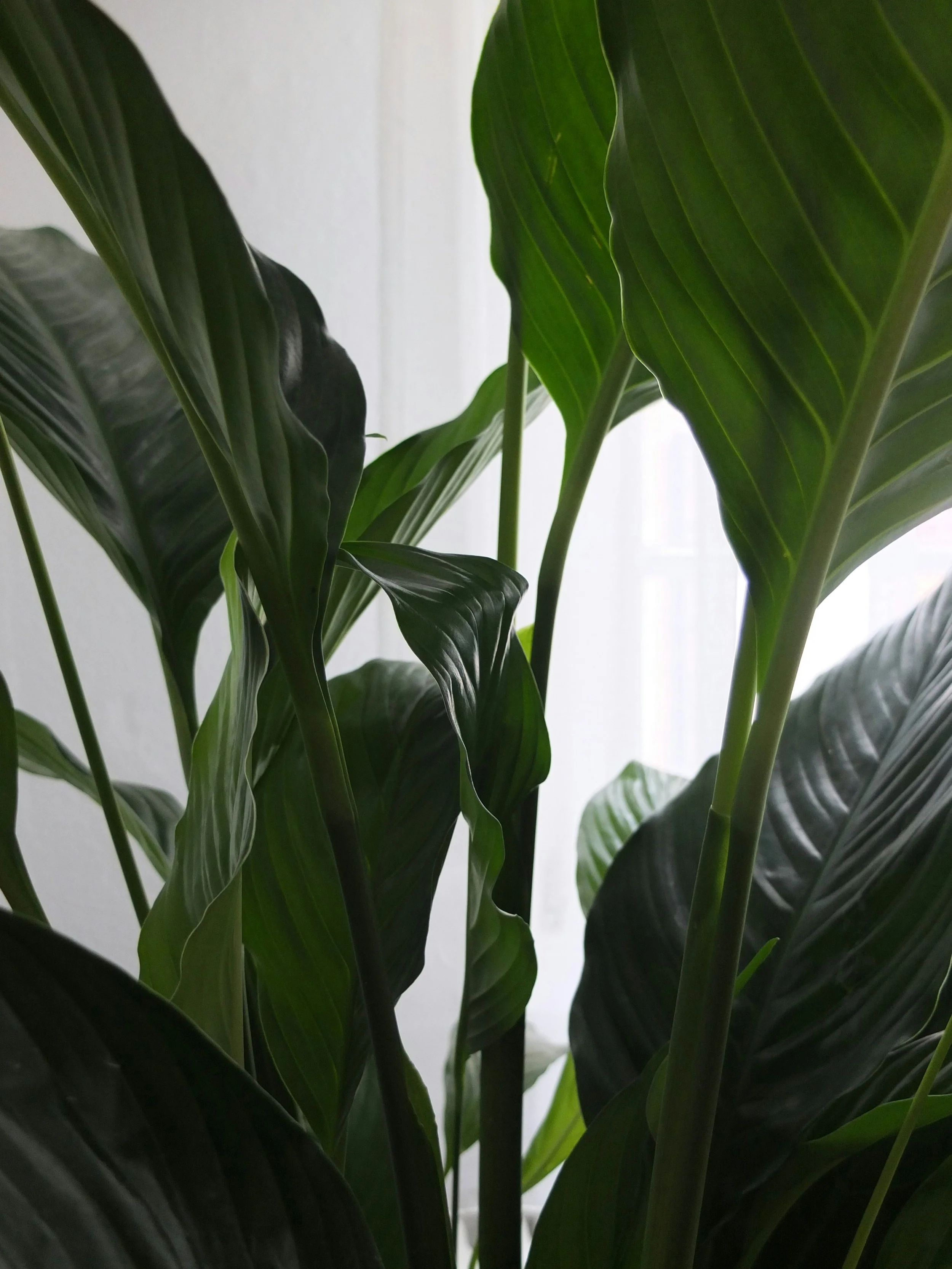
Plants introduce what architecture cannot: softness, movement, and a sense of life. They remind us that not everything in home should be static.
They shift with the light. They grow. They respond to their environment in ways nothing manufactured can. And that responsiveness is what makes a space feel lived in, not just impressive.
The Psychology of Space That Breathes
Your body registers a room before your mind does.
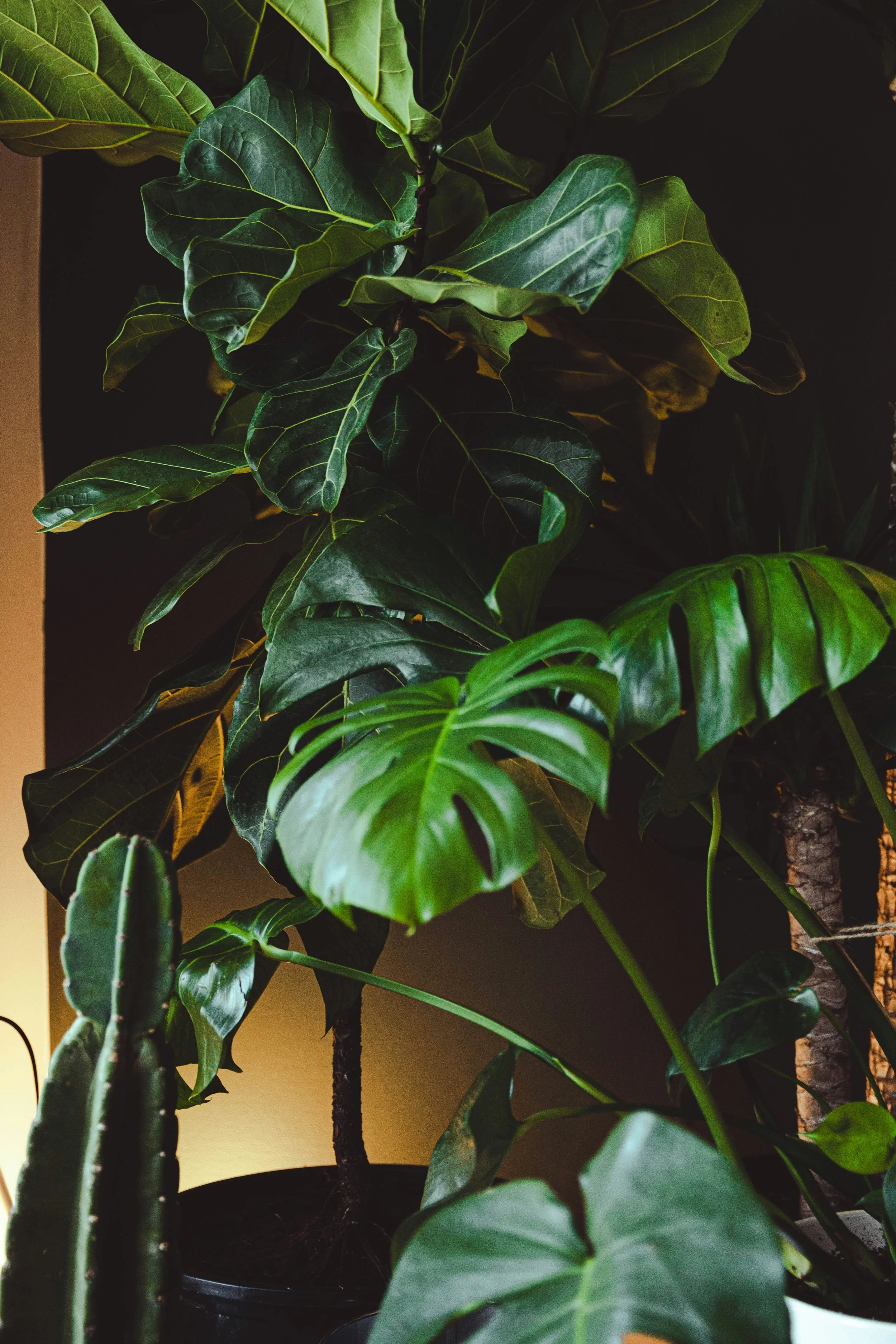
The presence of plants changes how a space feels at a level you don’t have to think about. It softens the visual field. It reduces overstimulation. It creates a rhythm that feels natural instead of forced.
At a foundational level, plants influence air quality, humidity, acoustics, and even how light moves through a space, quite adjustments that elevate how a home feels without calling attention to themselves.
These are the same environmental conditions prioritized in the WELL Building Standard - a framework built around how spaces support the people living in them.
But beyond that, they signal something deeper:
You are in a space that supports you.
Not just visually, but in how it preforms - how the air feels, how sound carries, how the environment settles around you.
For people operating at a high level - relocating, building, managing full lives, that level of support matters more than almost any design detail.
A Home That Belongs to the World Outside It
One of the most overlooked opportunities in high-end design in continuity.
We move between exterior and interior spaces constantly, yet most homes treat them as completely separate environments.
At DoorTAG, we approach them as one conversation.
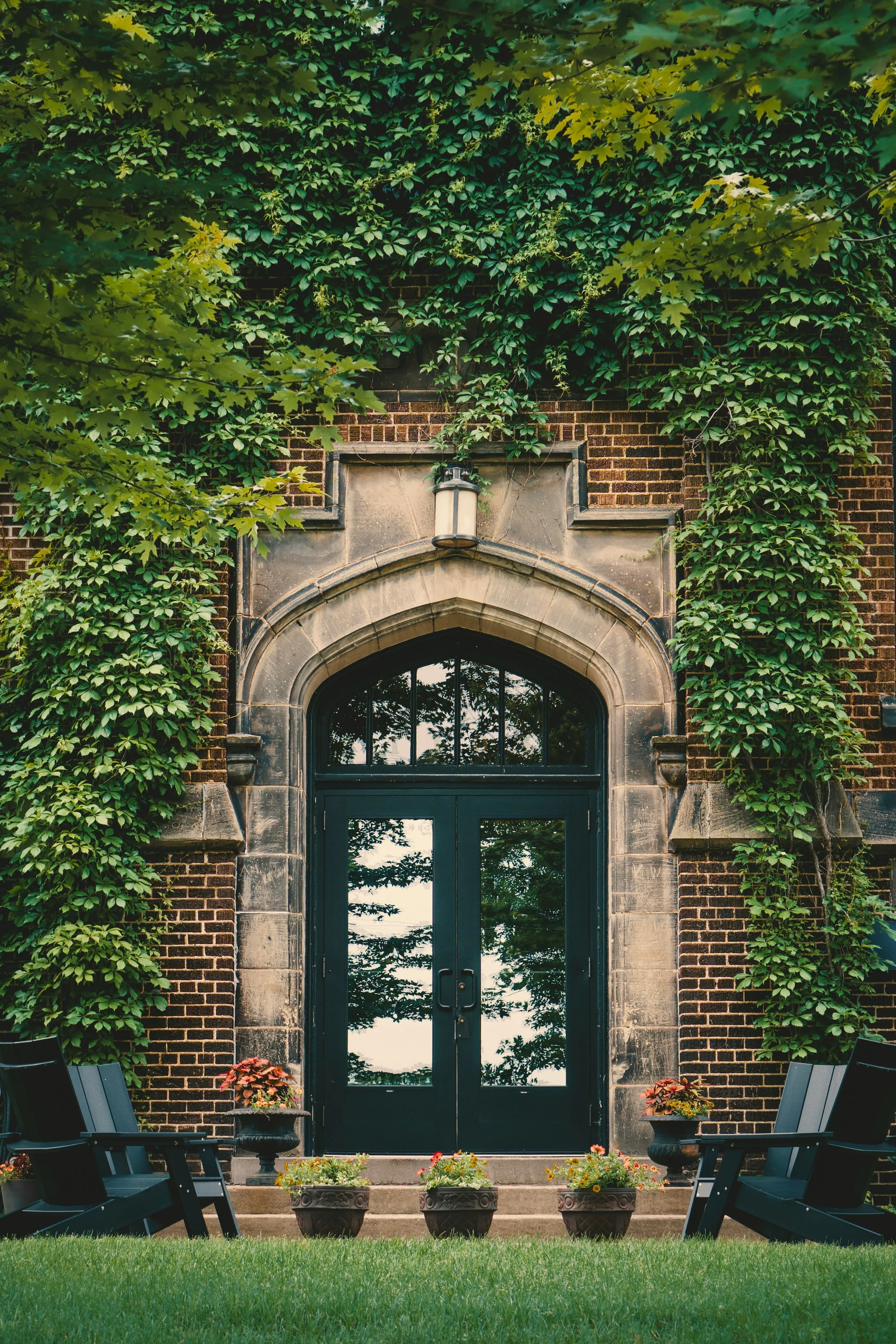
When greenery is carried from the outside in - through landscaping, sightlines, or intentional placement - the home begins to feel more expansive. More grounded. More complete.
There’s a reason certain homes feel more alive than others.
It’s not a trend. It’s not a style.
It’s the sense that the space you’re in is still connected to the world outside of it.
And that changes everything.
A Return to What Matters
There’s a shift happening in how we define luxury.
It’s no longer just about how a space looks, it’s about how it supports. Cleaner air. Natural light. Materials that feel real and live well over time.
Plants sit at the center of that shift.
They don’t demand attention, but they change everything around them. They ground a space without overwhelming it. They bring presence without noise.
And in the homes we design, they make a new space feel immediately lived in, not staged for arrival, but ready for life.
That distinction is everything.
At DoorTAG, living elements are integrated from the start, not added at the end.
Greenery, natural textures, and exterior continuity are part of every home we set up through Arrive & Live™, because a home should not feel staged. It should feel intentional.
Cassandra Worrell
Founder, DoorTAG
Relocation • Design • Organization
